
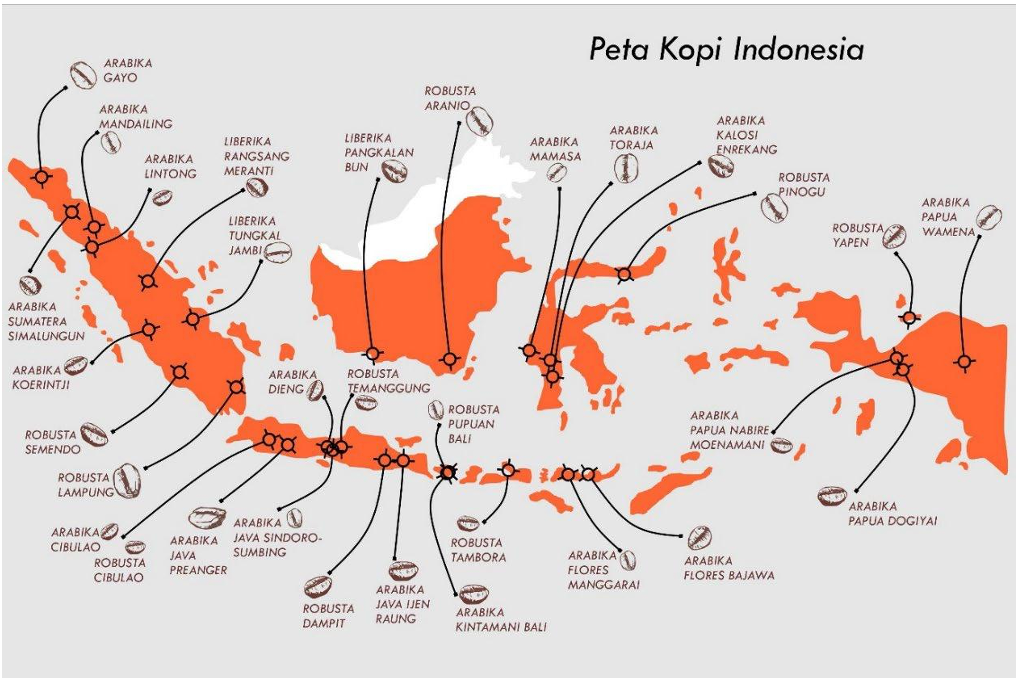
In “10 Things to Know about Indonesian Coffee,” Dr. Erika Koss spotlights Evani Jesslyn, founder of Strada Coffee, who is leading efforts to make Indonesia’s coffee industry more equitable and sustainable. As Indonesia prepares to host World of Coffee in Jakarta, the article highlights the country’s rich coffee heritage, its reliance on 1.8 million smallholder farmers, and its unique coffee varieties. Evani advocates for better local appreciation of specialty coffee, greater inclusion of women, and sustainable business practices—helping shift Indonesia from an exporter of high-quality beans to a thriving local coffee culture.
Urnex Blog
 Read Article
- Read Article
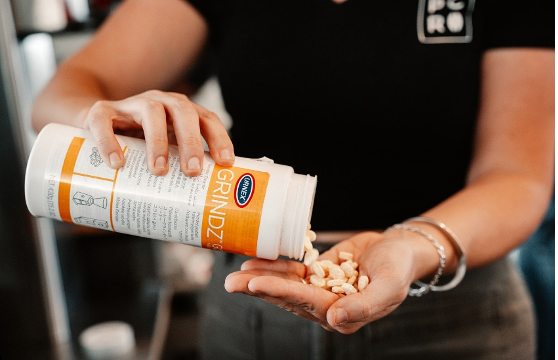
In The Importance of Being Urnex, #2, Erika Koss visits Brit Horn, founder of Pacific Coffee Research (PCR) in Kona, Hawai’i—a women-owned, SCA-certified coffee lab and training campus. Brit and her team are passionate about supporting coffee quality from seed to cup, offering roasting, cupping, education, and equipment maintenance to local farmers and cafes. A key part of their mission includes promoting proper coffee equipment cleaning using Urnex products like Grindz and Cafiza, which they use daily and teach in all training courses. As Brit emphasizes, “Coffee will taste better if you clean!”
- Read Article
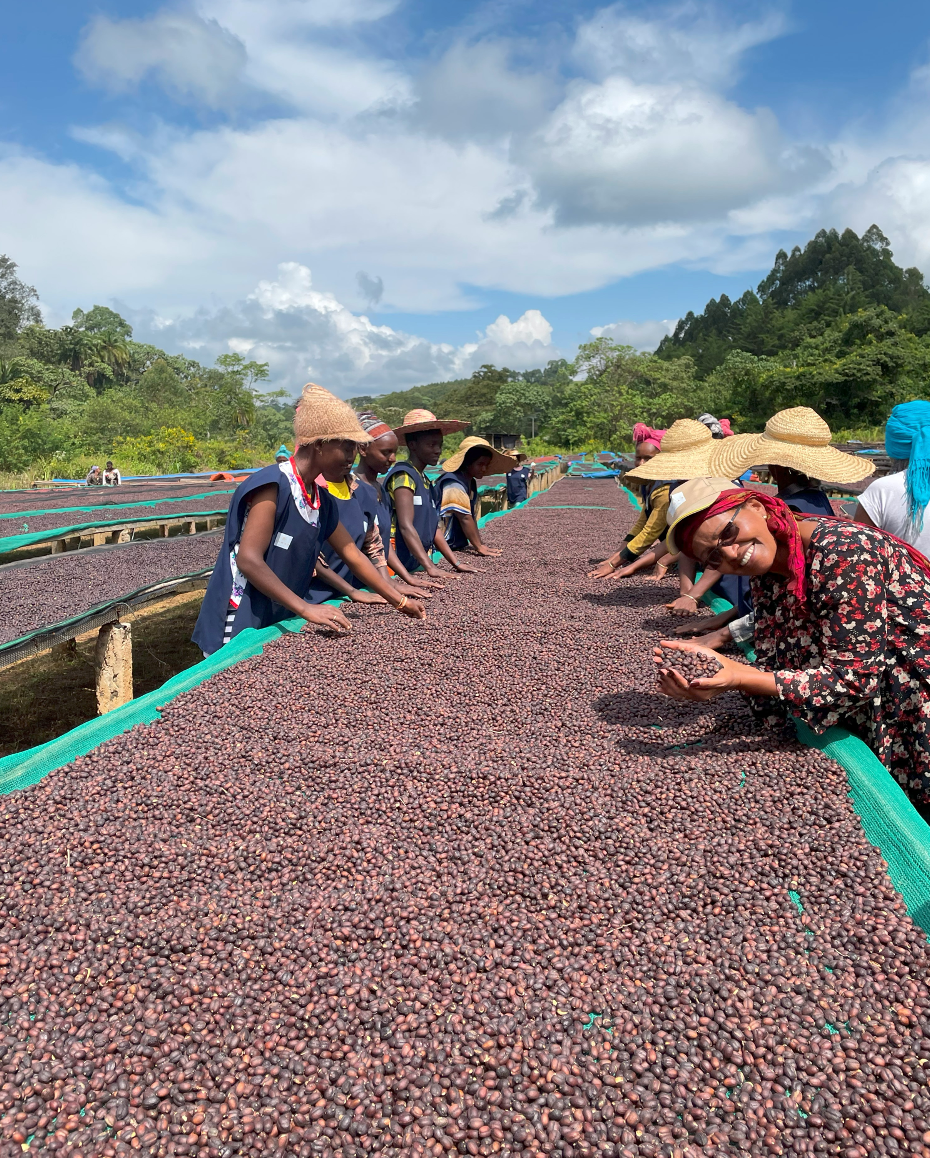
Discover the inspiring journey of Dehab Mesfin Bitewlign, a trailblazing coffee farmer from Ethiopia’s Kaffa region — the birthplace of coffee. From managing 330 hectares of forest coffee to empowering local women with fair wages, her dedication blends sustainability with exceptional coffee quality. Follow Erika Koss as she reunites with Dehab, explores the lush Kaffa Biosphere, and reflects on the impact of women in coffee production. Sip the story behind your cup and celebrate International Women’s Month by learning more about the remarkable women shaping the coffee industry.
- Read Article
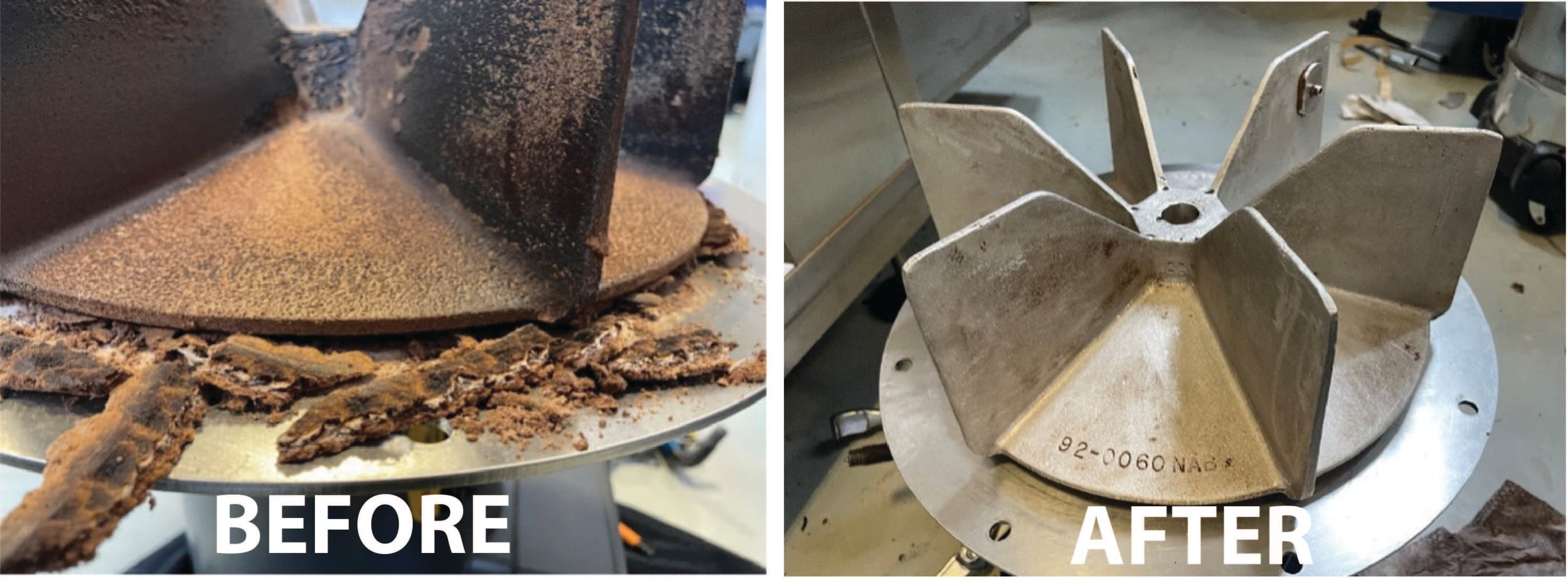
Cleaning matters in the coffee industry, and there’s many reasons why. In this occasional series, Dr. Erika Koss interviews coffee professionals who consider cleaning as seriously—and as important—as Urnex.
- Read Article
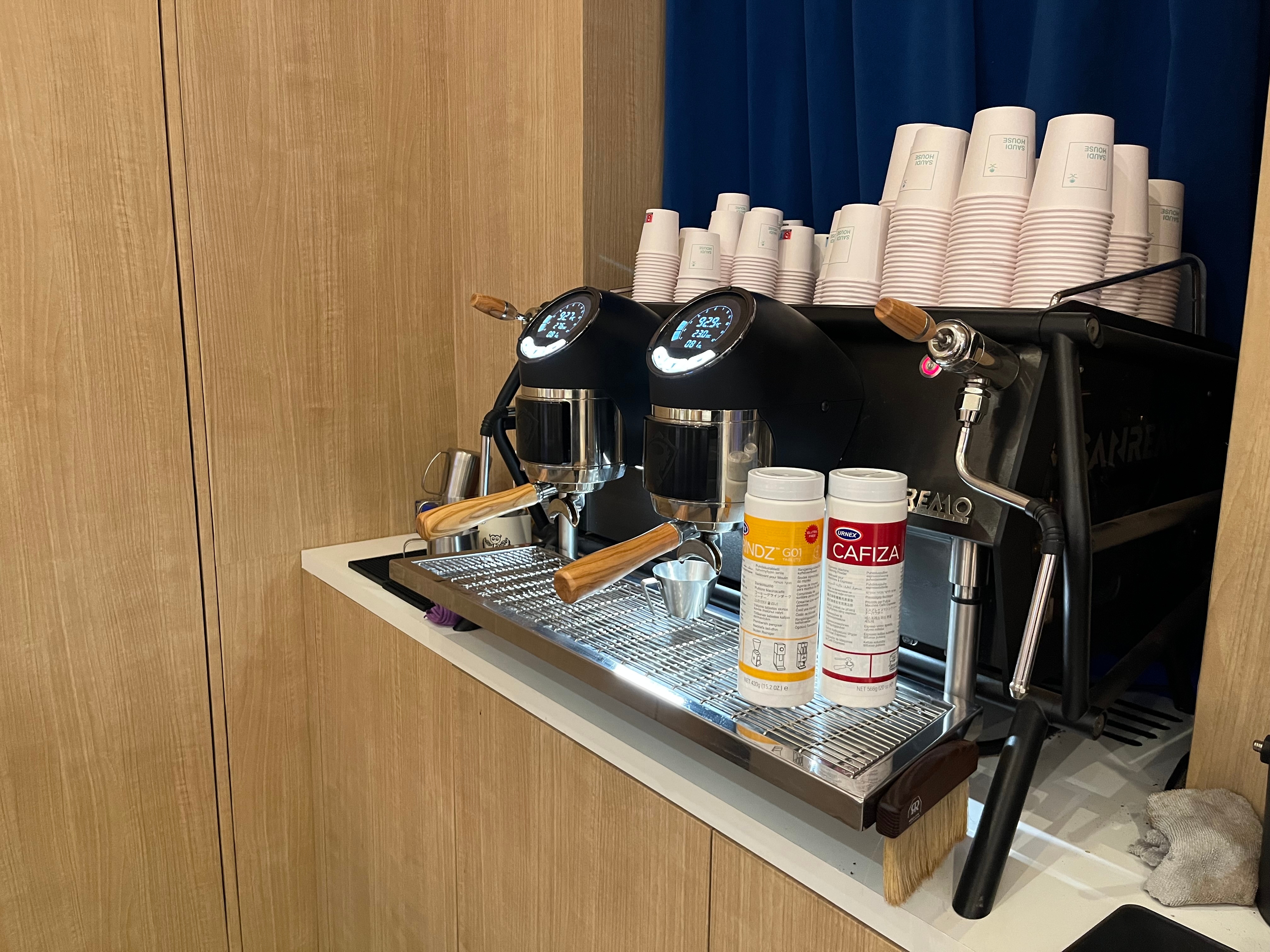
Read about the incredible opportunity for a barista, Dario Pieber to serve coffee at the World Economic Foum.
- Read Article

Fika has a long history in Sweden, and the tradition remains alive. But while the ritual is broad enough to include many different interpretations, it is neither a ‘coffee break’, nor ‘afternoon tea.’
To “have fika” does not mean grabbing a quick coffee at your desk or in an office kitchen. Fika lingers because it means pleasurable conversation with others. Our writer Erika sits down to learn about a part of the coffee drinking culture in Sweden and fika. - Read Article

Fika has a long history in Sweden, and the tradition remains alive. But while the ritual is broad enough to include many different interpretations, it is neither a ‘coffee break’, nor ‘afternoon tea.’
To “have fika” does not mean grabbing a quick coffee at your desk or in an office kitchen. Fika lingers because it means pleasurable conversation with others. Our writer Erika sits down to learn about a part of the coffee drinking culture in Sweden and fika. - Read Article

From instant to fresh ground, to soaking and rubbing, there are ample ways to incorporate coffee into your meals.
- Read Article
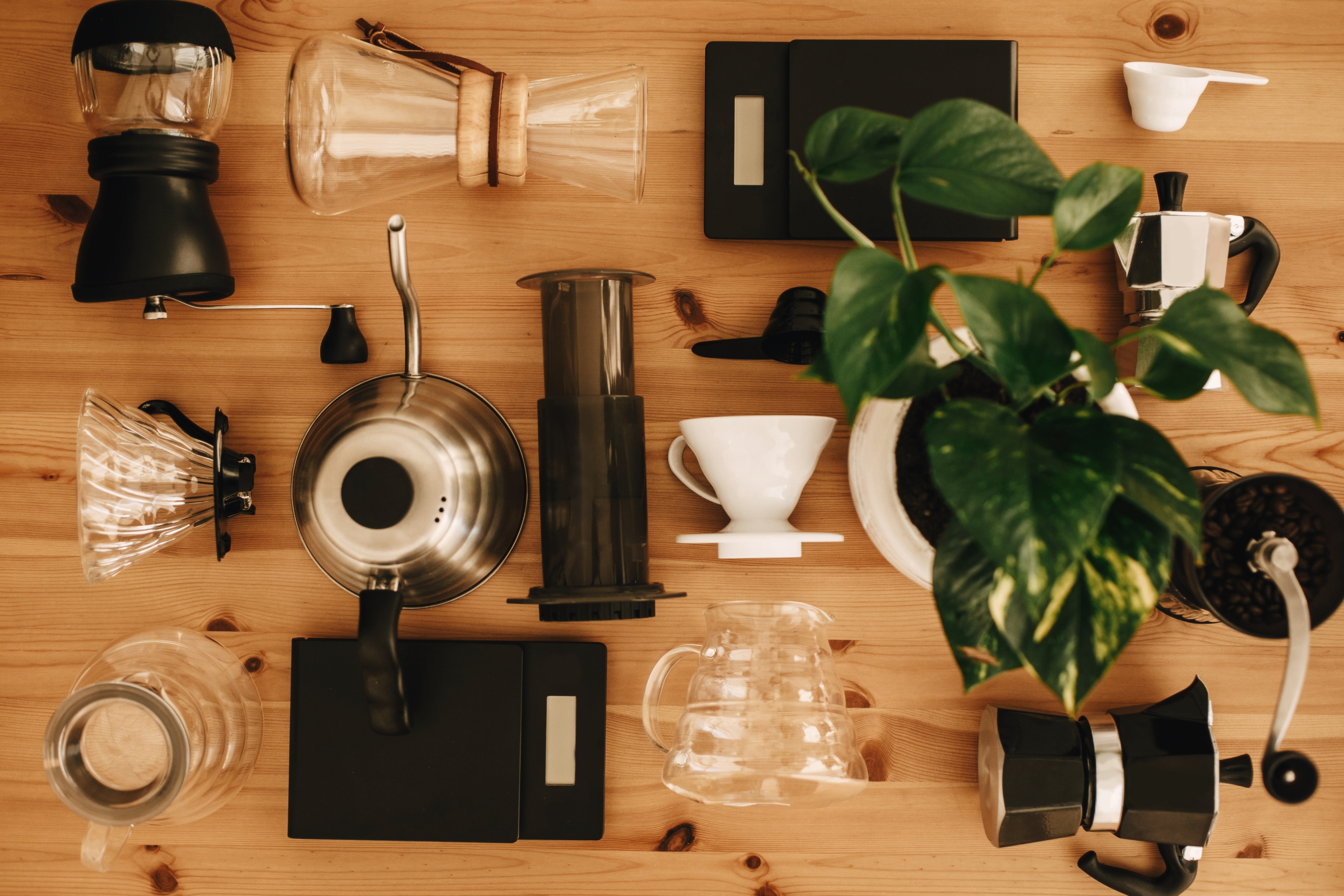
Coffee seems like a simple beverage, something you wouldn't need a recipe for. How hard can it be to combine two ingredients—ground coffee and water—to create something delicious?
But it's because of coffee's simple ingredient list that nuance, technique, and preparation methods become vital factors in determining how your final brew tastes. Changing one seemingly small thing, like grind size or water temperature, can drastically affect how your coffee tastes.
- Read Article
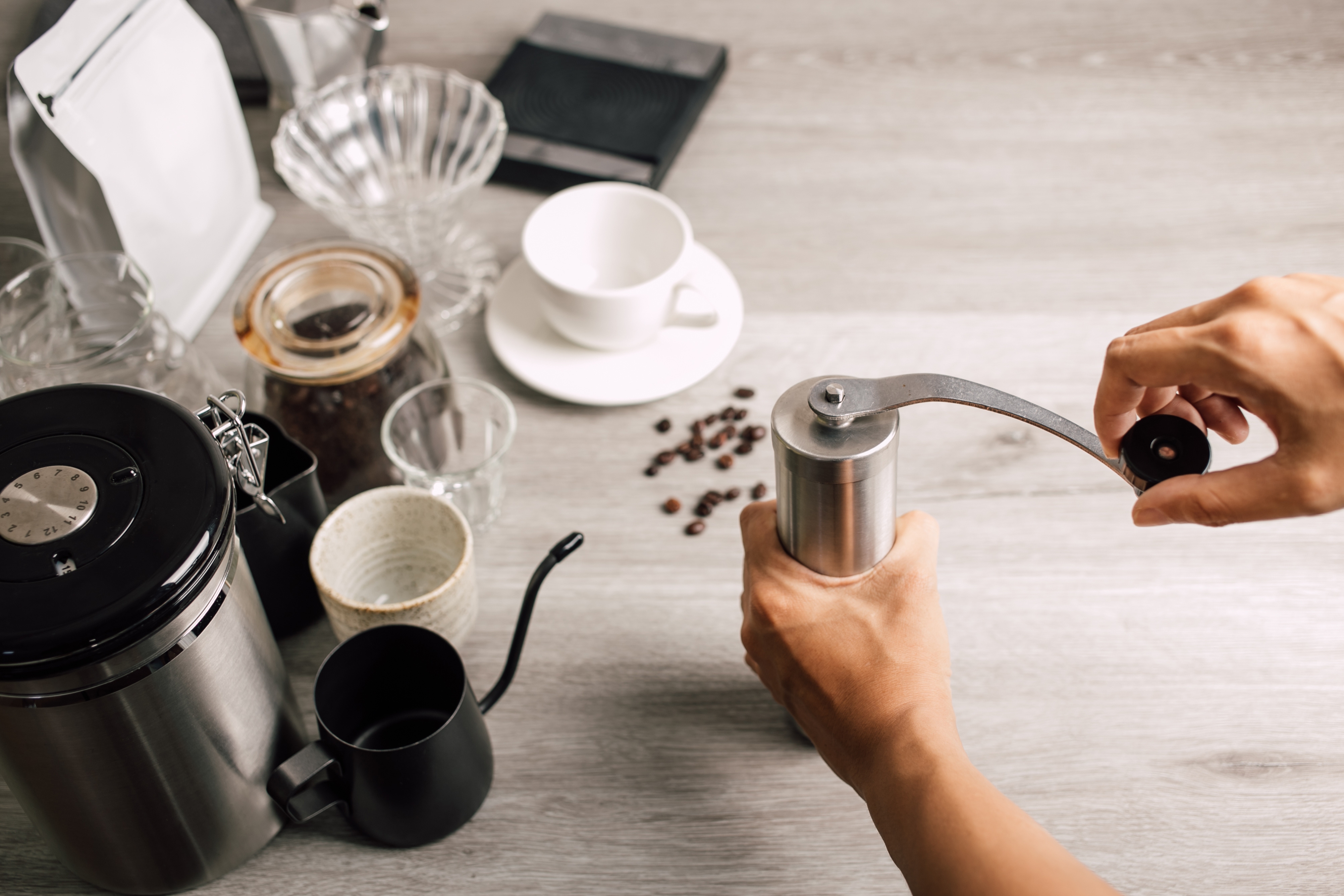
To compare what you make at home with what the pros make with commercial equipment, a rotating selection of beans, and years of practice and skill would be like comparing apples to oranges—but that doesn't mean you can't get closer. Many of the most impactful tips and tricks are also the easiest to implement: here are five ways to up your morning game and make your coffee taste fantastic at home.